Many photographers are petrified of cranking up the ISO when the light is less than perfect when in reality ISO isn’t the enemy, it’s your best friend and should be embraced…
What Is ISO?
Before we go any further, It’s worth explaining just what ISO stands for in the world of photography. Well, it’s the International Organisation for Standardisation – think of it as your camera’s eye sensitivity. It controls the amount of light the sensor grabs and can be a wonderful tool for any photographer. Low ISO numbers will give you a super clean image in the bright times and high ISO ramps up light for those more challenging lower light scenarios.
The skill? Use the exposure triangle and balance shutter speed, aperture and ISO. Get this spot on and you’ll see sharp photos without any blur – even in the most challenging of conditions.
High ISO shines when you can’t add more light. It’s not just a backup plan. Used carefully, it lets you freeze action and achieve that much sought after depth.
What High ISO Actually Does
High ISO modifies how your camera handles light. It ‘amplifies’ the signal from the sensor and makes faint details pop in dark areas.
Now, bear with me…let’s double that ISO from 400 to 800; you’ve just doubled the light captured and the image is twice as bright without touching any other settings. Remember, shutter speed will control how long that light hits the camera sensor. Aperture decides how wide the lens opens to allow light in. ISO is the glue that ties them together in the exposure triangle.
Higher ISO – High Shutter Speed
If it’s a higher shutter speed you’re looking for in that action shot with lower light then bump up the ISO to get the exposure. It’s a simple equation that reaps rewards if used thoughtfully.
In reality, this means more you have much more control and flexibility. A brighter day could see your ISO at 100, whereas at dusk this could rise to 1600 or more depending on the amount of lower light available at any given time.
Trade-off: Noise Vs Motion Blur
By definition the inevitable trade-off is that higher ISO will fight any motion blur by speeding up the shutter. It adds ‘noise’ or ‘digital static‘ which are those scary tiny specks that look like grit.
Generally, sharpness and more noise beats blurry and smooth. Viewers will take note of softer edges more than mild grain. Professionals will, more often than not, choose noise over blur for maximum impact.
Gear Matters
Yes, and I hate saying this, gear does matter and not all cameras manage high ISO the same. Full-frame sensors, like an expensive Nikon or Canon, can generally handle light way better than entry-level cameras and have the ability to suppress noise up to ISO 6400 or, in some cases, even higher.
Smaller sensors in more affordable APS-C entry-level models can sometimes struggle with noise creeping in at around ISO 1600. That said, modern chips from Sony or Olympus can achieve clean shots up to an impressive ISO 12800.
When Light is Scarce
Low light can often push the boundaries of patience and back you into a metaphorical corner with tough choices to be make before shooting anything so reflect and remember that higher ISO can bridge the gap between shutter speed and aperture.
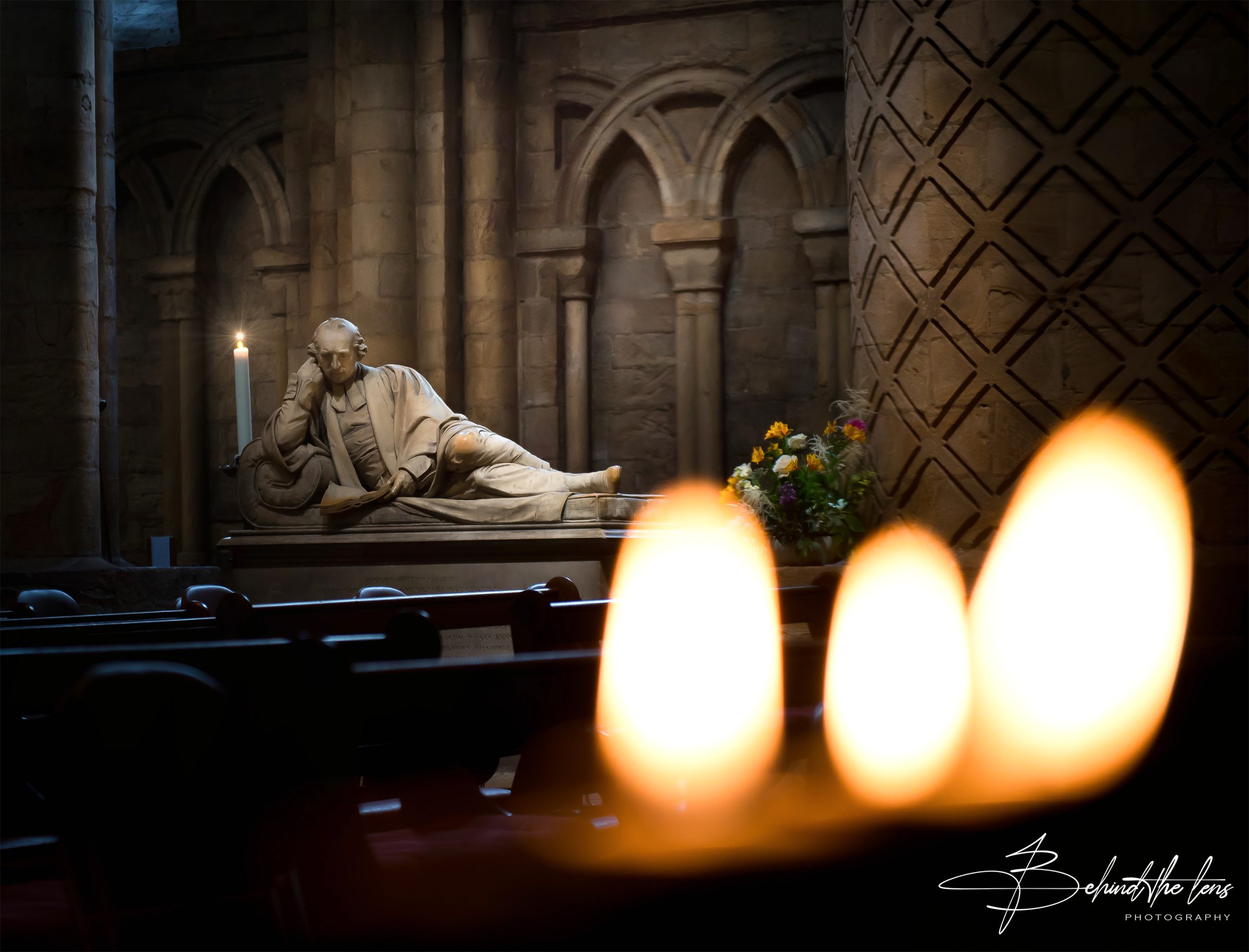
Shooting sport indoors is a difficult gig too, with lighting either strobe or much less than you’d hoped for which means high ISO is often the solution gaining the shots you’re looking for. Picture a five-a-side or basketball match under dated hall lights; your shutter needs to be hitting around 1/500th to freeze the action and jumps. At ISO 100, you need wide aperture that can blur backgrounds. Crank it up to 6400, and you can freeze that desired motion with a higher shutter speed minus the annoying tripod.
Editing Software
Nowadays, editing software is so good even the free versions can dial back noise without losing sharpness. Lightroom, Capture One and others are great tools capable of pulling extreme detail from shadows at ISO 6400. It’s like having extra room to breathe.
Shoot With Intent
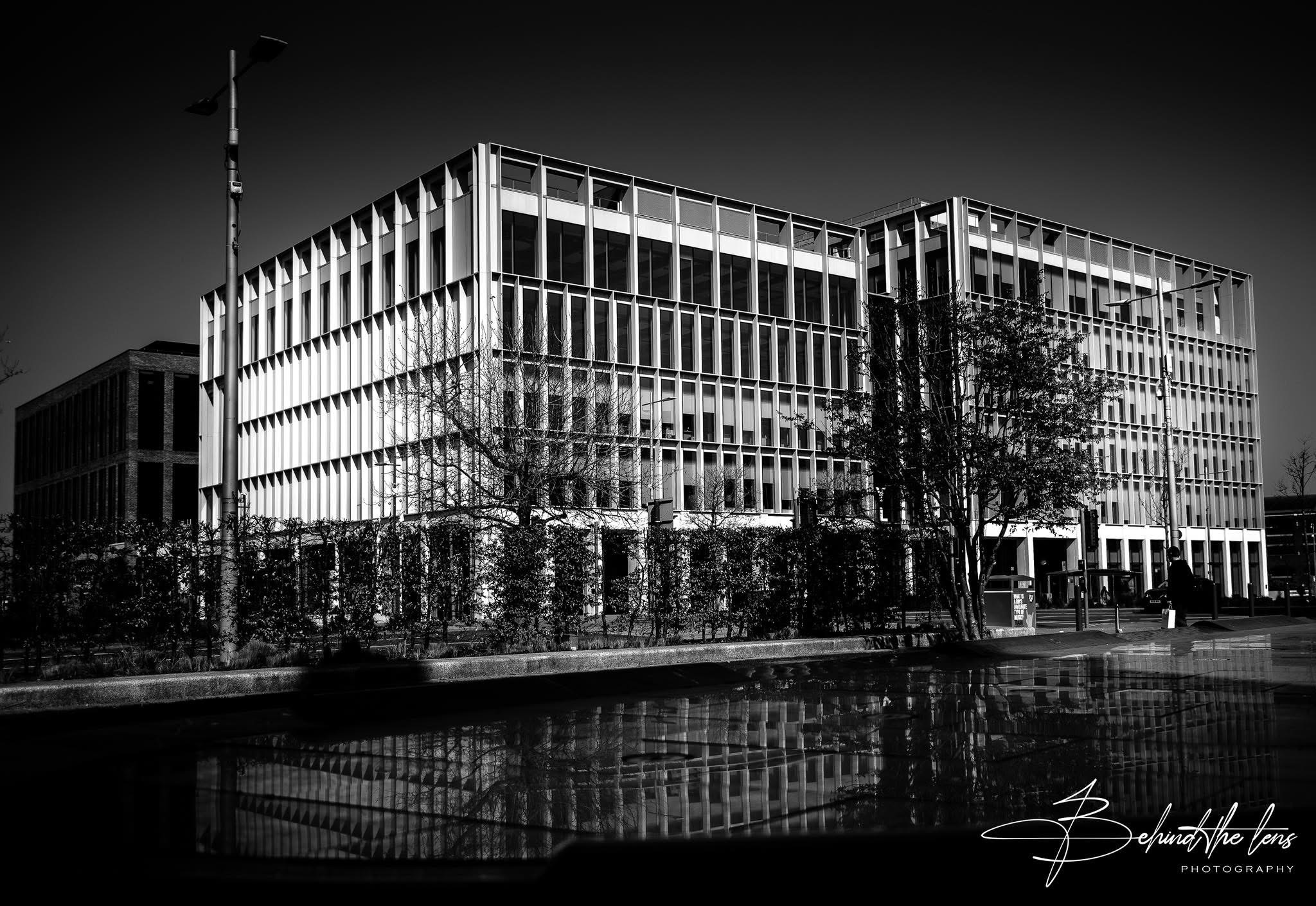
Remember, high ISO in photography can unlock otherwise dark and closed doors giving you the ability to ‘dial up’ shutter speed and freeze the action if so required.
Behind the Lens
Collaboration? Meet up? Drop me a message via the contact form here